Devendra Kumar Budakoti
The Indian middle class, while discussing politics in private spaces, often speaks about corruption in the system and among political leaders. Corruption is generally understood as poor governance and the exchange of money to get work done within the government machinery. However, a large majority fail to visualize deeper issues related to policies, planning, and programmes. This lack of critical engagement contributes to political hollowness in society.
James Madison, the fourth President of the United States, famously remarked: “If men were angels, no government would be necessary.” The statement underscores the inevitability of governance structures—but also the need for vigilance in ensuring their integrity.
Senior columnist M. Shanmugam writes, “Politics needs a huge amount of funding. Not many politicians survive without resorting to corruption and abusing government machinery to silence opponents.” This observation reflects the structural pressures within contemporary political systems.
Many politicians in power, and those associated with them, have amassed enormous wealth disproportionate to their known sources of income. Yet they continue to operate freely, often without remorse, fear of law, or concern about political consequences—even within democratic processes.
Some may only be accused of illegal dealings, while others face court cases and shift political allegiances to survive. Despite this, many retain support from sections of the electorate. Some have mastered the art of winning elections through management and manipulation. Party tickets are often distributed not on the basis of political acumen, leadership, or knowledge, but proximity to the “high command.” Winning elections becomes the sole objective, detached from political wisdom or societal concerns. Statesmanship remains beyond the cognitive framework of many aspirants.
Numerous leaders swear by party ideology and leadership without genuinely understanding ideological foundations or possessing a vision for national development. In such circumstances, civil servants often guide and shape policy, planning, and programme implementation, subtly steering elected representatives toward bureaucratic thinking.
Consider the example at the district level: the Chief Development Officer, along with a structured administrative apparatus, often dominates decision-making. At the block level, the Block Development Officer (BDO) and subordinate officials similarly influence governance. Elected representatives—such as the Zila Panchayat Chairperson, Block Pramukh, and Gram Pradhan—frequently follow pre-drafted “development scripts,” ultimately toeing the official line. Can a true bottom-up approach exist when the development structure stands firmly against altering the status quo?
There may indeed be cases where Panchayati Raj Institution (PRI) members accumulate wealth. However, one must ask: who provides the templates, mechanisms, and operational culture through which development funds are managed? While PRI members may be replaced in subsequent elections, the permanent bureaucracy remains—ready to induct and “guide” new incumbents into the same system of governance and fund management.
Who, then, possesses the vision and competence to dismantle or reform the district development machinery? In a political environment where parties promise government jobs to nearly everyone, how many can even imagine reducing or restructuring the vast development apparatus? Can we envision empowering elected PRI representatives to ensure genuine grassroots governance? When politics is reduced to promising government employment and appeasing the unemployed, does it not signify political hollowness in Indian society?
In Uttarakhand, without declaring Gairsain as the permanent state capital and without implementing comprehensive land consolidation (Chakbandi), reverse migration will remain a romantic idea rather than a policy reality. Social change does not have a “reverse gear.” Structural transformation requires clarity of vision, political courage, and institutional reform. Do our public intellectuals and social activists have any say and or forum to express their opinion and give a framework on governance and on public policy matters?.
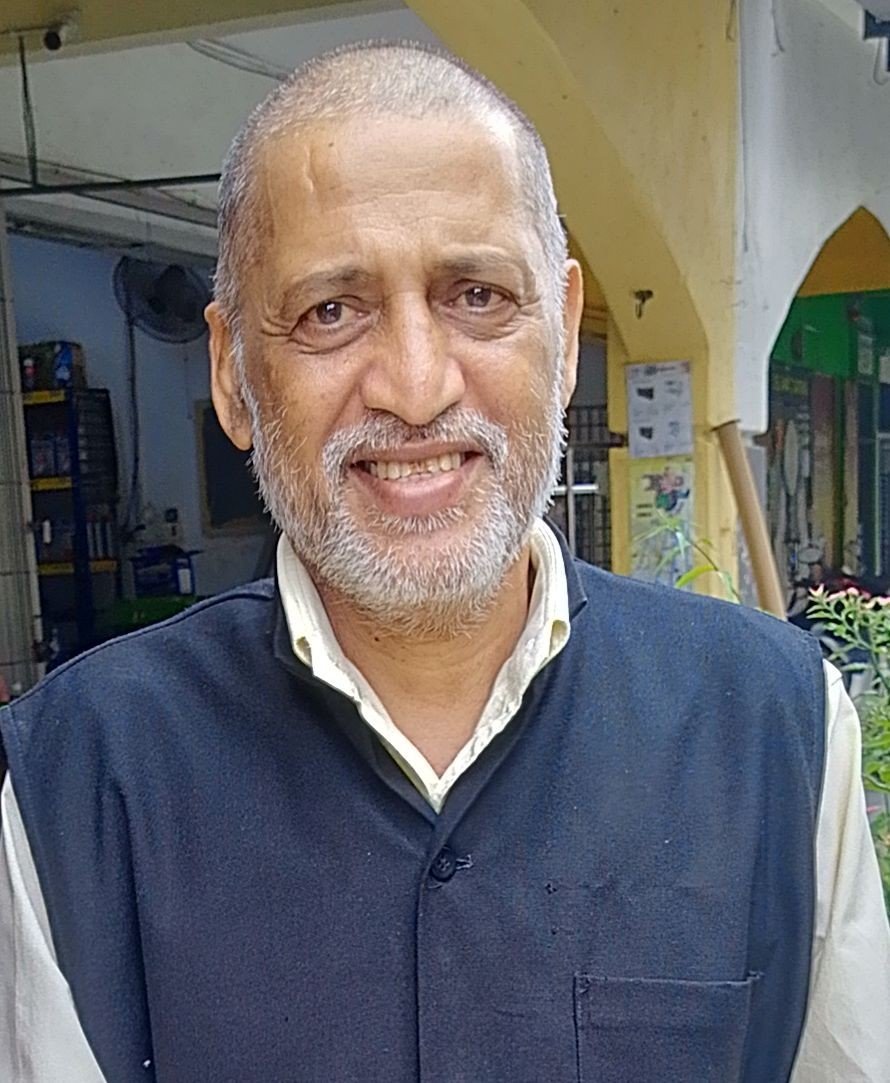
The author is a sociologist and an alumnus of Jawaharlal Nehru University. His research work has been cited in the writings of Nobel Laureate Amartya Sen
