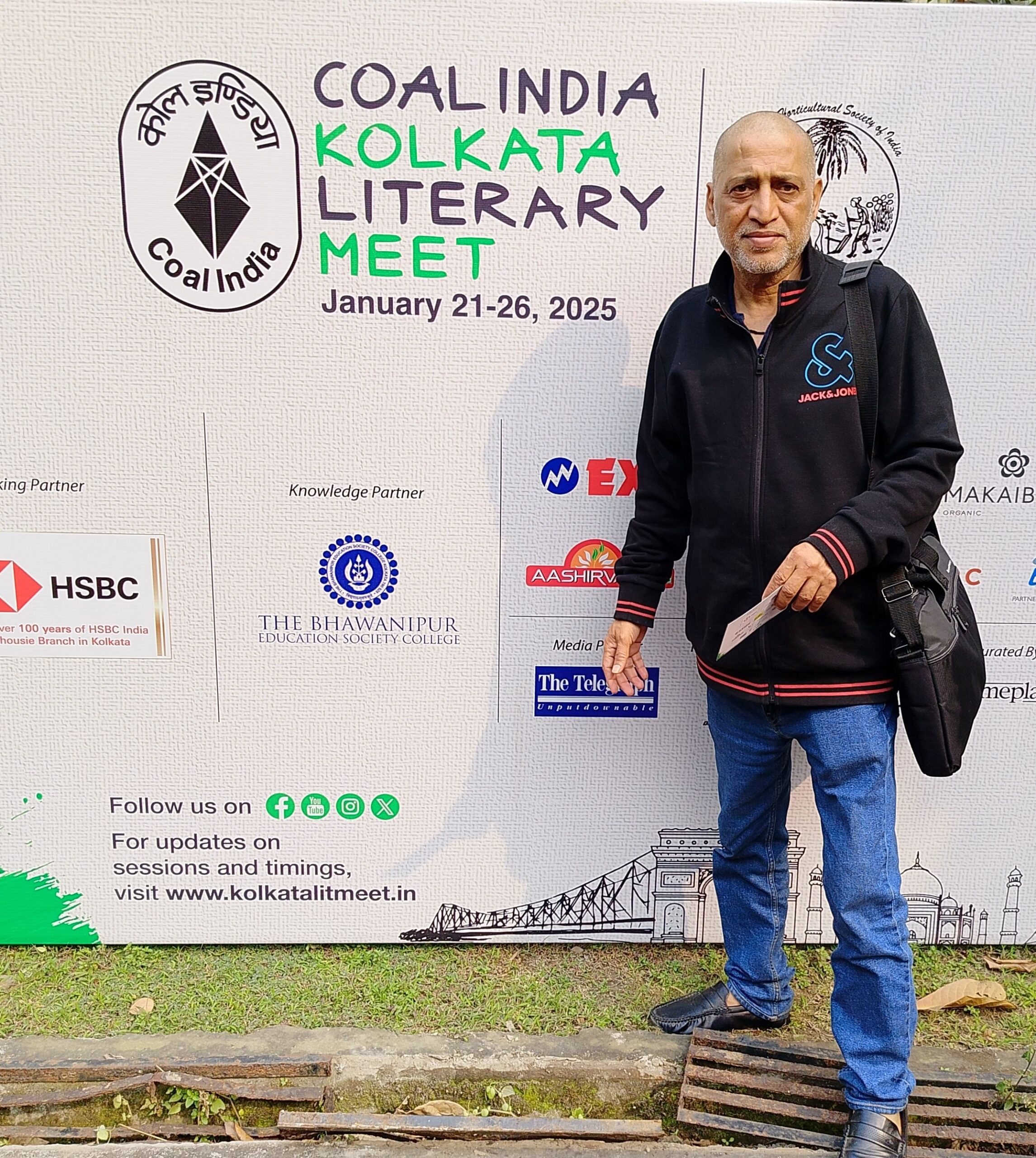
– Devendra Kumar Budakoti
Gopal Krishna Gokhale, famous quote, “What Bengal thinks today, the rest of India thinks tomorrow,” emerged during a period when Bengal stood at the forefront of India’s intellectual, cultural, social, and political awakening under British colonial rule. To understand whether this idea still holds relevance today, one must examine the historical evolution of Bengal’s political and intellectual culture and the changing role of the Bhadralok class in contemporary politics.
During British rule, Calcutta (now Kolkata) served as the administrative headquarters of the British East India Company and later the capital of British India until 1911. From this center, colonial authorities governed large parts of the Indian subcontinent. As administrative institutions expanded during the nineteenth century, Bengal became one of the first regions in India to experience modern Western education in fields such as law, medicine, engineering, literature, and political thought.
The nineteenth century also witnessed the Bengal Renaissance, a remarkable intellectual and cultural movement associated with figures such as Raja Ram Mohan Roy, Ishwar Chandra Vidyasagar, Rabindranath Tagore, and Swami Vivekananda. These reformers challenged practices such as sati, promoted women’s education, encouraged rational thought, and helped shape modern Indian nationalism. Bengal thus emerged as a leading center of intellectual and political activity in colonial India.
In the early twentieth century, Bengal also became an important base for anti-colonial politics, labour mobilization, and revolutionary nationalism. After independence in 1947, the Indian National Congress dominated politics in West Bengal for nearly three decades. However, social unrest, labour movements, agrarian struggles, and dissatisfaction with Congress governance gradually strengthened Left politics in the state.
The Communist Party-led Left Front came to power in 1977 and remained in office for an extraordinary thirty-four years until 2011. During this period, West Bengal became one of the strongest centers of Left ideology in India. Trade unions, peasant organizations, and intellectual circles were deeply influenced by Marxist politics. Many political observers believed that Left dominance in Bengal was permanent. Yet, the decline of the Left after decades of rule surprised both political analysts and social scientists.
The rise of Mamata Banerjee and the All India Trinamool Congress (TMC) in 2011 marked another major political transition. The TMC absorbed leaders and workers from both the Congress and Left parties and projected itself as a regional alternative rooted in Bengali identity and populist welfare politics.
A further transformation occurred after the emergence of the Bharatiya Janata Party (BJP) as a major political force in Bengal after 2014. Traditionally viewed as weak in the state, the BJP rapidly expanded its support base among sections of the urban middle class, Hindu voters, Scheduled Castes, tribal communities, and younger voters dissatisfied with the TMC and the decline of the Left.
BJPs issues such as nationalism, citizenship, border security, religious identity, and debates around the Citizenship Amendment Act (CAA) and National Register of Citizens (NRC) became central to public discourse.
BJP attempted to reinterpret Bengal’s historical and cultural legacy by emphasizing personalities such as Syama Prasad Mukherjee, Subhas Chandra Bose, and Swami Vivekananda. This challenged the long-standing dominance of Left-liberal intellectual traditions associated with the old Bhadralok culture.
Movements such as the Indigo Revolt, Tebhaga Movement, peasant struggles, labour mobilizations, and the Naxalbari uprising demonstrated that Bengal’s political history was shaped not only by elite intellectuals but also by mass participation from below.
Whether Bengal still leads India intellectually and politically, as suggested by the old quote, remains open to debate. However, Bengal undoubtedly continues to remain one of India’s most politically vibrant, ideologically contested, and culturally influential regions.
The transformation of Bengal from the center of the Renaissance and Left politics to an arena of nationalism, regional identity, and grassroot democracy reflects broader changes taking place across India itself. In that sense, does Bengal still continues to offer an early glimpse into the future direction of Indian politics and society?.
——————
The Author is a Sociologist and an alumni of Jawaharlal Nehru University. His research work is quoted in the books of Nobel Laureate Prof. Amartya Sen
